Securing America’s Biochar Future: Conservation United’s Specialized Insurance for U.S.-Based Organizations in 2026
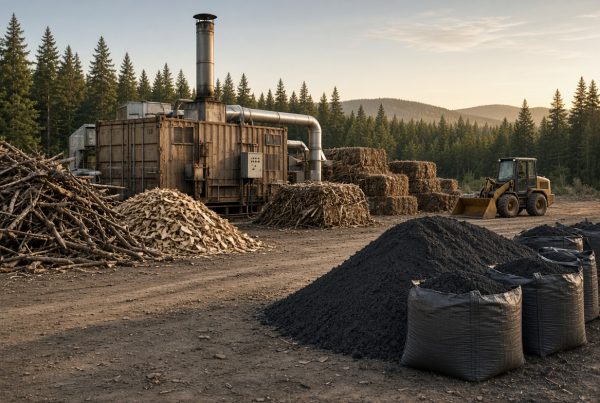
As we kick off 2026, the U.S. biochar sector is experiencing unprecedented momentum, driven by new standardization efforts, groundbreaking production facilities, and major corporate partnerships—all focused on enhancing soil health, wildfire mitigation, and durable carbon removal right here in the United States. The US Biochar Initiative (USBI) has rolled out its first unified lab testing protocol, with three additional standards on the horizon this year, providing consistent quality assurance for American producers and buyers. Landmark projects like Douglas County’s pioneering county-owned biochar facility in Colorado and Cold Steppe’s rice hull conversion plant in Arkansas are set to come online, while Weyerhaeuser’s joint venture with Aymium aims to scale biocarbon production to 1.5 million tons annually from domestic wood fiber. For U.S.-based organizations navigating this rapid growth, Conservation United offers tailored Biochar Insurance—exclusively available to USA entities—to mitigate risks from compliance challenges to operational scaling.
Biochar Standards & Testing Methods
2026 Momentum: Standardization and Homegrown Scaling in the U.S. Biochar Industry
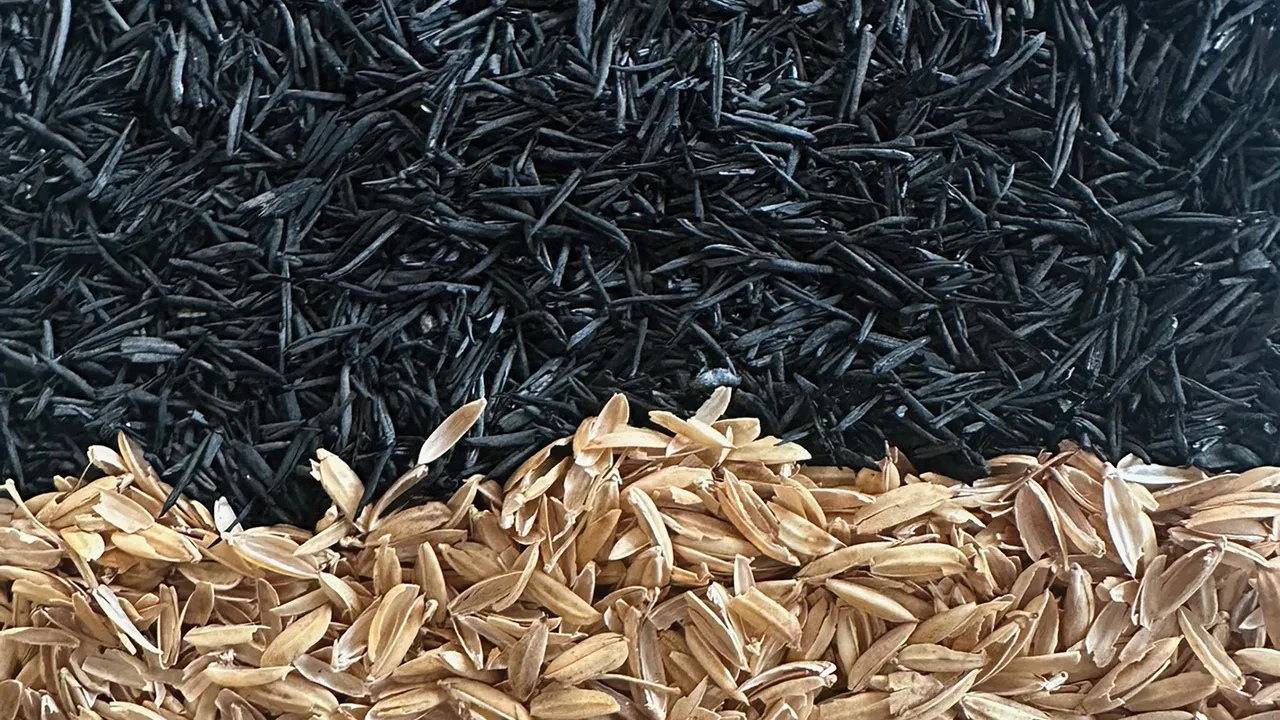
The USBI’s new laboratory analysis standard marks a pivotal advancement for the North American market, ensuring reliable data on biochar quality and safety thresholds. This foundation supports expanding U.S. applications, from agricultural soil amendments to industrial carbon sinks. In Colorado, Douglas County is pioneering the nation’s first county-operated biochar facility, integrated with waste diversion and slated for full operation in 2026, transforming wildfire mitigation slash into valuable biochar. Arkansas sees similar innovation with Cold Steppe’s $40 million Stuttgart facility, converting local rice hulls into biochar starting early this year, boosting farmer access and creating a circular economy for Mid-South agriculture.
Nationally, the U.S. biochar fertilizer market is projected to grow robustly, reaching toward $3.3 billion by 2035, fueled by demand in row crops, horticulture, and regenerative practices across the Midwest, California, and Southeast. Emerging U.S. startups and established players are innovating with forest waste pyrolysis and premium soil enhancers, aligning with federal initiatives like USDA-supported decision tools and soil health trials.
Yet, this expansion brings U.S.-specific risks: regulatory compliance with new USBI standards, feedstock variability from regional biomass, and project delays in domestic facilities.

Tailored Protection: Conservation United’s Biochar Insurance for U.S. Operators
Conservation United, serving U.S.-based biochar organizations exclusively, has updated its policies to address 2026’s domestic landscape:
-
Compliance Coverage: Protection against risks from USBI’s new testing protocols, safeguarding U.S. projects from credit invalidation or remediation costs.
-
Scaling and Facility Risks: Coverage for emerging U.S. ventures like Douglas County’s wildfire-focused plant or Arkansas rice hull operations, including construction delays, feedstock disruptions, and environmental claims.
-
Market and Application Safeguards: Insurance mitigating volatility in U.S. carbon markets, supporting soil amendment trials and industrial biocarbon scaling, such as Weyerhaeuser-Aymium’s Mississippi joint venture targeting metals decarbonization.
This U.S.-centric approach ensures American producers, from forest managers to farmers, can innovate confidently amid growing demand for high-integrity domestic removals.
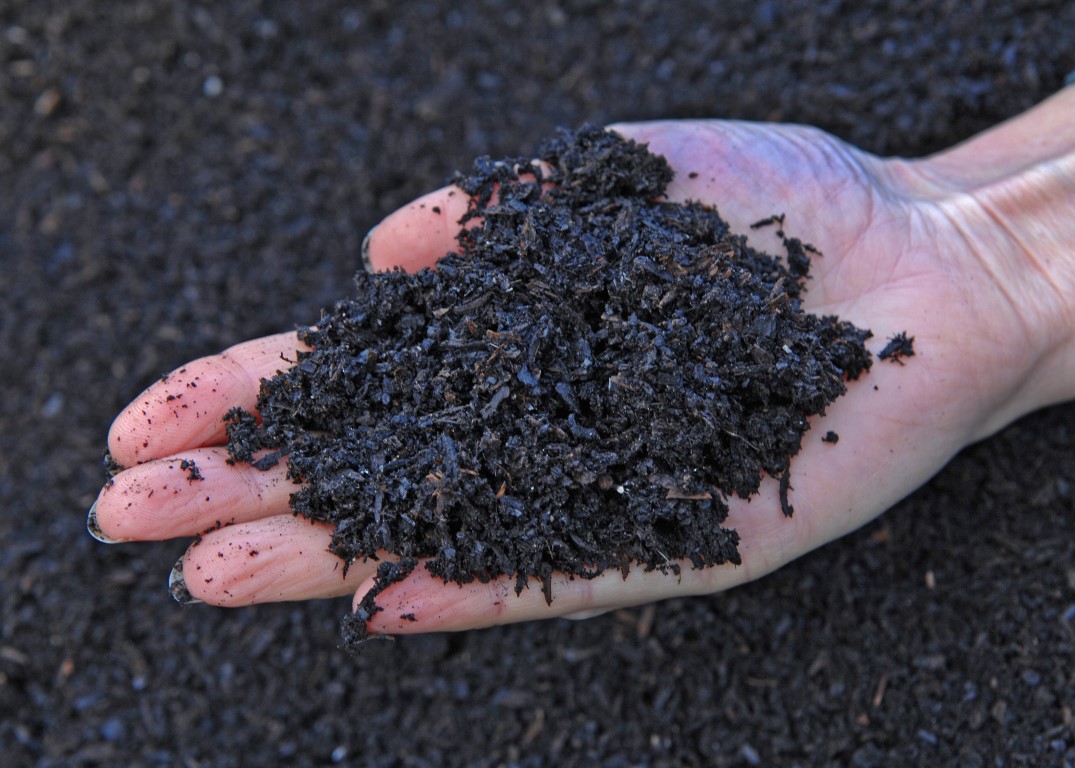
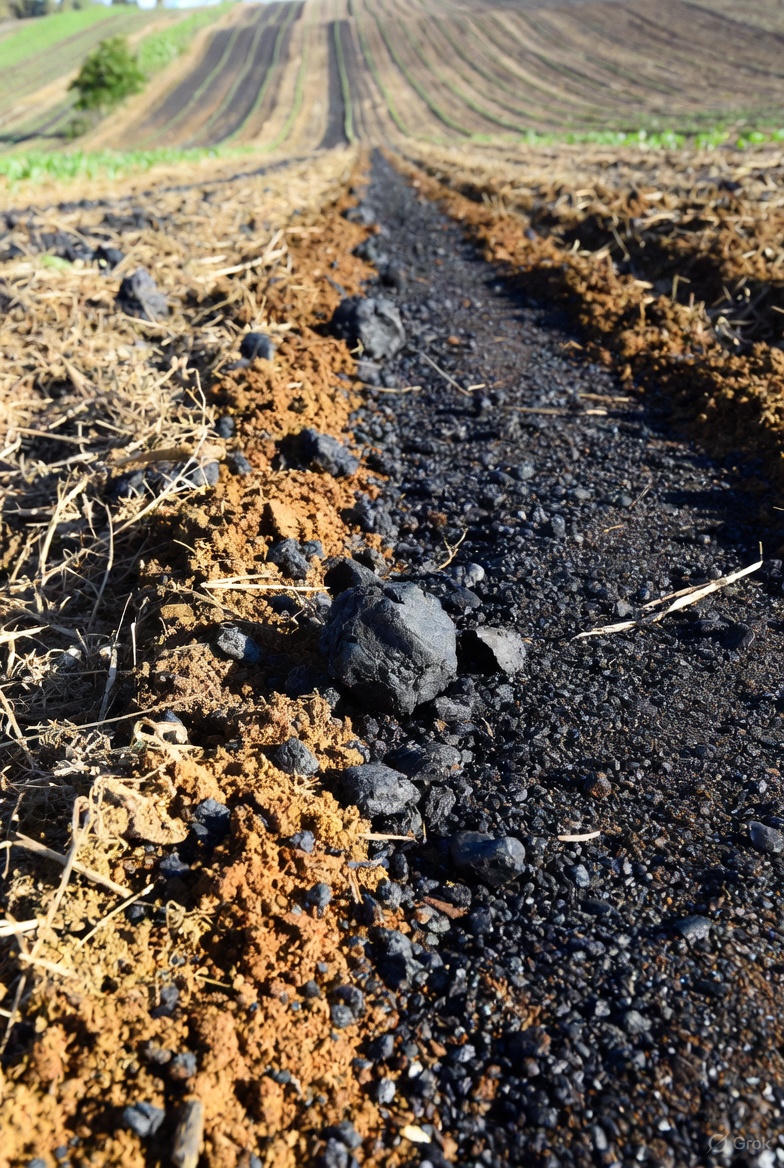
Biochar emerges as soil amendment for agriculture
Empowering U.S. Growth: Insurance as a Catalyst for Domestic Biochar Advancement
With U.S. biochar projects leading in durable CDR deliveries and soil restoration, Conservation United’s coverage enables resilient expansion. It supports initiatives like American Farmland Trust’s coast-to-coast trials, quantifying benefits in regional soils, and helps mitigate risks in wildfire-prone states turning slash into biochar. As domestic production ramps up—from Colorado’s public facilities to Southern biocarbon plants—insured operations can focus on delivering yields, water retention, and carbon sequestration for American agriculture.
Advance Your U.S. Biochar Goals Securely in 2026
The U.S. biochar industry in 2026 is poised for transformative impact on climate-smart farming, forest health, and industrial sustainability. Conservation United provides customized insurance quotes exclusively for USA-based organizations, ensuring protection tailored to domestic standards and challenges. Contact us today to fortify your operations.
Conservation United’s Biochar Insurance isn’t just risk management—it’s a strategic enabler for America’s biochar leadership in sustainable innovation.