Biochar Insurance by Conservation United: Safeguarding the Future of Regenerative Agriculture and Carbon Removal
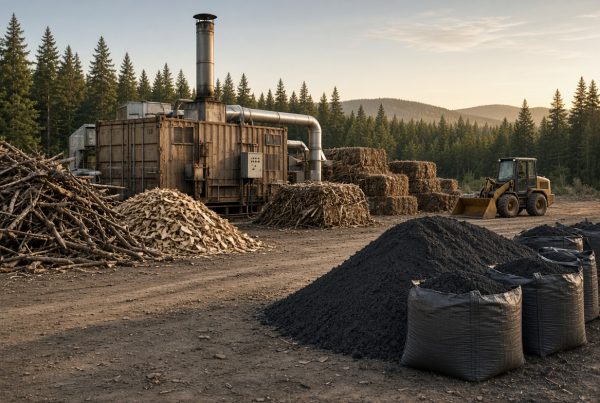
In the quest for scalable climate solutions, biochar has emerged as a standout technology. Produced by heating biomass—such as agricultural residues, forestry waste, or organic byproducts—in a low-oxygen pyrolysis process, biochar creates a stable, carbon-rich material that can remain locked in soils for centuries or even millennia. Biochar organizations worldwide champion its adoption, driving research, policy advocacy, and market development to unlock benefits like enhanced soil fertility, improved water retention, nutrient cycling, and significant carbon sequestration.
Yet, scaling biochar production and application involves real-world risks: variable feedstock quality, process inconsistencies, liability concerns, regulatory shifts in carbon markets, and potential environmental claims. This is where specialized insurance becomes a game-changer. Conservation United, a leader in conservation and restoration-focused insurance, offers tailored Biochar Insurance designed to protect producers, organizations, and innovators in this growing sector—empowering them to expand operations with greater confidence.
Why Biochar Matters Now More Than Ever
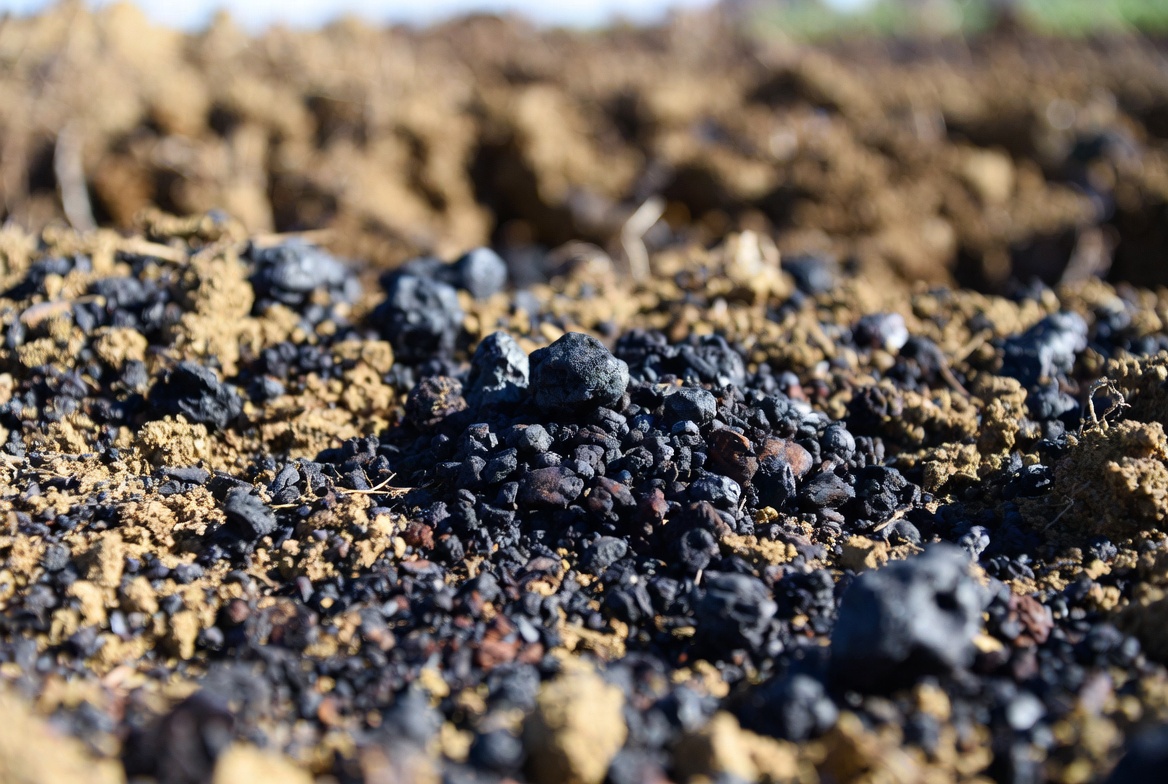
Biochar isn’t just another soil amendment; it’s a multifaceted tool for sustainability. It boosts microbial activity, reduces soil compaction, enhances drought resilience, and can even help remediate contaminated lands. On the climate front, converting biomass that would otherwise decompose or burn into biochar sequesters carbon that might have returned to the atmosphere, supporting net-negative emissions strategies.
Biochar organizations play a crucial role by:
-
Educating farmers, land managers, and policymakers.
-
Supporting certification standards and verification for carbon credits.
-
Fostering partnerships that turn waste streams into valuable resources, such as using forest residues to mitigate wildfire risks while producing biochar.
As demand grows—fueled by carbon credit programs, regenerative agriculture incentives, and corporate sustainability goals—producers need robust risk management to thrive.
What Makes Conservation United’s Biochar Insurance Unique?
Unlike generic policies, Conservation United’s Biochar Insurance is customized for the nuances of this industry. Drawing on their expertise in environmental and conservation projects, it addresses specific vulnerabilities that standard coverage often overlooks.
Core Coverages Include:
-
Production Risk Protection: Shields against financial losses from incomplete pyrolysis, feedstock contamination, equipment failures, or yield shortfalls—keeping operations viable even during technical challenges.
-
Liability Coverage: Protects against third-party claims related to application effects, neighboring property impacts, or product performance disputes.
-
Environmental and Regulatory Assurance: Covers potential legal or compliance issues tied to sustainability claims, carbon credit verification, or unforeseen environmental outcomes.
-
Customizable Options: Policies can be scaled for small on-farm pilots, mobile production units, large commercial facilities, or organizations involved in research and advocacy.
This forward-thinking approach lowers barriers for new entrants and helps established players expand, whether through on-site biochar production for local soil improvement or large-scale projects feeding into voluntary carbon markets.
Real-World Benefits for Biochar Stakeholders
Securing Biochar Insurance from Conservation United delivers more than peace of mind:
-
Financial Resilience: Safeguards investments amid fluctuating biomass supply, weather events, or market volatility.
-
Innovation Enablement: Encourages R&D into advanced applications, like biochar in construction materials, water filtration, or livestock feed additives.
-
Market Credibility: Insured operations signal reliability to investors, certifiers, and buyers of carbon credits or soil products.
-
Alignment with Broader Goals: Supports wildfire risk reduction (by utilizing biomass), soil health initiatives, and long-term climate strategies promoted by biochar advocates.
For U.S. biochar organizations and producers in 2026 and beyond, this coverage aligns with evolving standards, post-event compliance needs, and growing scrutiny in carbon markets.
Getting Started with Protection
Obtaining a quote is simple and personalized. Conservation United’s team works with you to assess your specific operations—scale, location, processes, and risk profile—to craft coverage that fits. Whether you’re a farmer integrating biochar into crop rotations, a producer processing municipal green waste, or part of a nonprofit advancing research, their solutions are built for the conservation community.
Visit Conservation United’s site or request a quote today to explore how Biochar Insurance can support your sustainable mission.
Conclusion: As biochar organizations continue to drive awareness and adoption of this powerful technology, specialized insurance like that from Conservation United ensures the sector can grow responsibly and resiliently. By mitigating risks while amplifying environmental and economic rewards, it paves the way for a more regenerative, carbon-conscious future.