Biochar Insurance from Conservation United: Building Resilience for Soil, Carbon, and Mission-Driven Growth
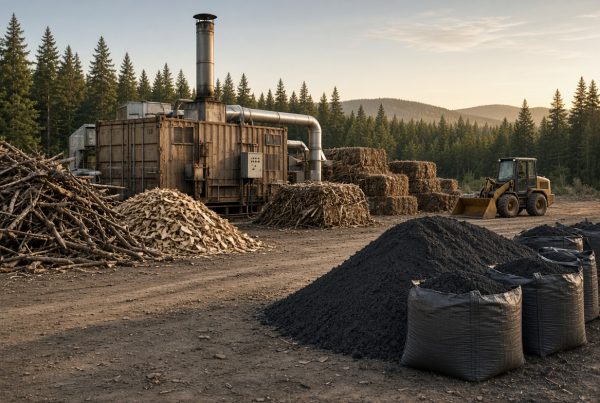
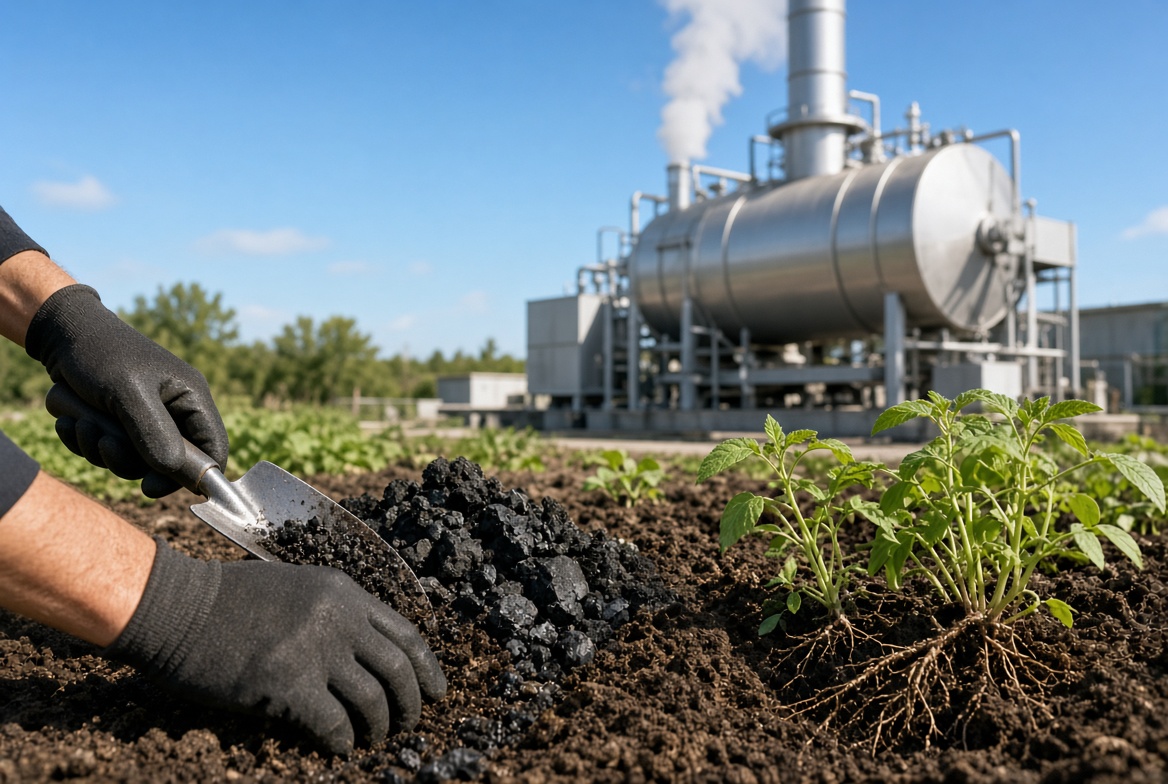
Biochar organizations play a vital role in advancing sustainable solutions. These groups promote the production and use of biochar—a stable, carbon-rich material created by heating biomass in a low-oxygen environment (pyrolysis). They raise awareness, fund and support research, develop markets, and highlight biochar’s proven benefits: improved soil health and water retention, enhanced nutrient availability, support for beneficial microbes, reduced fertilizer needs, wildfire residual utilization, and long-term carbon sequestration that can last centuries to millennia.
As adoption grows across farms, restoration projects, industrial applications, and carbon removal markets, so do the operational and financial risks. Production variability, feedstock quality issues, equipment challenges, regulatory and standards shifts (including emerging U.S. Biochar Initiative protocols), liability concerns from land application, project delays during facility scaling, and carbon-credit verification or delivery uncertainties can slow progress or strain resources. Standard insurance policies often leave critical gaps for these specialized activities.
Conservation United, a conservation-focused insurance brokerage established in 2015, offers a specialized Biochar Insurance product designed specifically for U.S.-based producers, nonprofits, cooperatives, researchers, and facility operators. The coverage is tailored rather than generic, drawing on the firm’s deep experience with conservation, restoration, and environmental organizations. It helps mission-driven groups manage risk so they can concentrate on education, research, market development, and on-the-ground impact.
Key Protections Included
Typical elements of Conservation United’s Biochar Insurance include:
-
Production risk protection — Coverage related to incomplete pyrolysis, biomass contamination or quality issues, equipment breakdowns, weather or feedstock disruptions, and other factors that can affect batches or delay verification.
-
Liability and environmental safeguards — Protection against third-party claims involving application effects on neighboring lands, water resources, or ecosystems, even when practices are responsible and science-based.
-
Scaling and facility support — Help with construction or project delays for new or expanding plants, market volatility affecting carbon credits or commercial uses (such as soil amendments, asphalt, or biosolids processing), and related operational risks.
-
Flexible add-ons — Options that can include equipment coverage, workers’ compensation integration, and policies that scale from small on-farm pilots to larger commercial operations.
These features provide financial security that can strengthen grant applications, attract investors, and support compliance with evolving quality and testing standards. By reducing downside exposure, organizations gain greater freedom to innovate, expand demonstration projects, and accelerate market adoption of biochar’s environmental and economic advantages.
Why Specialized Coverage Matters for Biochar Groups
Biochar’s multi-benefit profile—soil regeneration, carbon removal, waste-to-value conversion, and resilience against climate stressors—positions it as a practical tool for regenerative agriculture and climate solutions. Yet rapid industry maturation brings new standards, larger facilities, and closer scrutiny in carbon markets. Insurance that understands pyrolysis processes, application pathways, and conservation contexts helps bridge the gap that general policies often miss.
Conservation United positions its offering as exclusive or focused on U.S.-based entities and emphasizes customization based on operation size, location, feedstock, and end uses. The result is practical risk management that aligns with the sector’s growth trajectory and supports the core work of awareness-building, research, and market development.
Taking the Next Step
Whether you operate a small pilot, a cooperative converting agricultural or forest residuals, a research program testing new applications, or a facility scaling for commercial or carbon-credit markets, specialized coverage can protect hard-won progress. Conservation United provides personalized quotes tailored to specific needs.
Visit conservationinsurance.com or use their request-a-quote process to explore options. With the right protection in place, biochar organizations can focus on what they do best: advancing soil health, locking away carbon, and building more resilient agricultural and environmental systems.