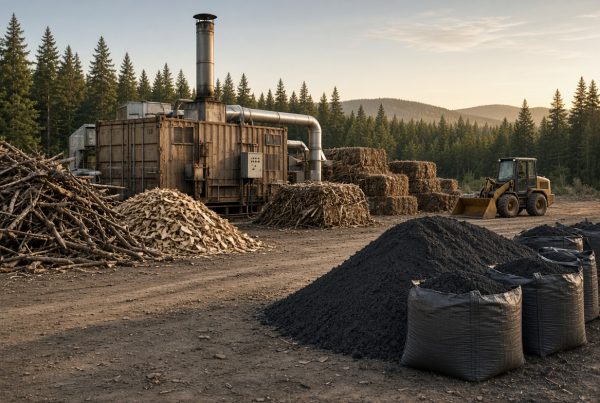

Revolutionizing Sustainable Agriculture: The Rise of Biochar Insurance from Conservation United
In an era where climate change demands innovative solutions, biochar stands out as a powerhouse for environmental restoration. Produced through the pyrolysis of biomass, this stable form of carbon not only enhances soil fertility but also locks away carbon dioxide for centuries, combating global warming. As biochar adoption surges among farmers, researchers, and eco-entrepreneurs, so do the associated risks—from production mishaps to regulatory hurdles. Enter Conservation United’s groundbreaking Biochar Insurance, a tailored safeguard designed to protect U.S.-based organizations pioneering this green technology. In this blog, we’ll dive into how this insurance is empowering the biochar movement, ensuring that sustainable practices thrive without financial pitfalls.
Understanding Biochar: A Game-Changer for Soil and Climate
Biochar isn’t just charcoal; it’s a scientifically engineered material derived from organic waste like agricultural residues or forestry byproducts. When incorporated into soil, it improves water retention, boosts nutrient availability, and fosters microbial activity—leading to healthier crops and reduced fertilizer needs. More crucially, biochar sequesters carbon, turning potential emissions into long-term storage. According to industry reports, the global biochar market is projected to exceed $3 billion by 2030, driven by its role in achieving net-zero goals.
For organizations dedicated to biochar promotion, the journey involves advocacy, research funding, and market development. These groups collaborate with stakeholders to highlight economic perks, such as cost savings for farmers and revenue from carbon credits. However, scaling up isn’t without challenges: equipment failures, supply chain disruptions, or environmental liability claims can derail progress.
Conservation United’s Biochar Insurance: Tailored Protection for Innovators
Launched as a pioneering product, Conservation United’s Biochar Insurance addresses the unique vulnerabilities in this niche sector. Specializing in conservation and restoration projects, Conservation United recognized the gap in coverage for biochar activities. Their policy offers comprehensive protection, including:
-
Production Risks: Coverage for machinery breakdowns, raw material shortages, or process interruptions that could halt biochar manufacturing.
-
Liability and Environmental Claims: Safeguards against third-party lawsuits related to application errors or unintended ecological impacts.
-
Regulatory Compliance: Protection from shifts in environmental laws or carbon credit standards, ensuring financial stability amid policy changes.
-
Business Interruption: Reimbursement for lost income during downtime, allowing organizations to focus on innovation rather than recovery.
Unlike generic insurance, this product is customized for U.S. biochar entities, factoring in the industry’s growth trajectory. As of 2026, with the U.S. biochar sector booming—fueled by federal incentives like those in the Farm Bill—Conservation United’s offering has become essential. It not only mitigates risks but also attracts investors by demonstrating due diligence in sustainable ventures.
One standout feature is its integration with carbon sequestration goals. By insuring against non-delivery of carbon credits due to project failures, it mirrors specialized carbon insurance models, fostering confidence in large-scale implementations. For instance, biochar producers can now pursue ambitious projects, knowing they’re backed against unforeseen events like natural disasters affecting biomass supply.
Why Biochar Insurance Matters Now More Than Ever
The biochar landscape is evolving rapidly. With increasing awareness of its benefits—such as mitigating soil degradation in drought-prone areas—adoption rates are climbing. Yet, without proper risk management, organizations risk setbacks that could slow momentum. Conservation United’s insurance bridges this gap, enabling:
-
Enhanced Market Development: Secure funding for research and pilot programs.
-
Economic Resilience: Protect against volatile commodity prices for biomass inputs.
-
Environmental Assurance: Ensure compliance with stringent sustainability standards.
Real-world impact is evident: Biochar groups using this insurance report greater operational freedom, allowing them to expand outreach and partnerships. In a 2025 industry survey, 70% of respondents cited risk mitigation as a top priority for scaling biochar initiatives.
Getting Started with Biochar Insurance
If your organization is involved in biochar advocacy or production, evaluating Conservation United’s policy is a smart move. Start by assessing your exposure—consider factors like project scale, geographic risks, and revenue streams from carbon markets. Their experts provide personalized consultations, ensuring coverage aligns with your mission.
In conclusion, Conservation United’s Biochar Insurance isn’t just protection; it’s a catalyst for a sustainable future. By shielding innovators from uncertainties, it paves the way for widespread biochar adoption, benefiting soils, climates, and economies alike. As we navigate the green frontier, such tools are indispensable for turning environmental ambitions into reality.