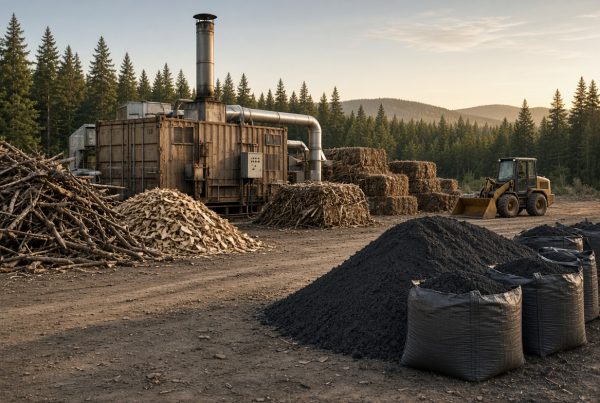

Biochar’s 2025 Triumphs: Conservation United’s Insurance Prepares Producers for 2026 Scaling and Standards
As 2025 draws to a close, the biochar industry reflects on a banner year where it dominated carbon dioxide removal (CDR) deliveries, filling critical gaps in the market with reliable, durable solutions. According to a Forbes retrospective, biochar and biomass pathways were key to bridging supply shortfalls amid surging demand. Recent milestones include the US Biochar Initiative’s launch of a new lab testing standard on December 14, aimed at enhancing quality assurance, with three more standards slated for 2026. Innovations like Verde Resources’ integration of biochar into cold-mix asphalt are turning infrastructure into carbon sinks, as highlighted in a December 15 feature. Meanwhile, Carbonzero.eco‘s new production plant announcement and major credit deal with Climeworks underscore biochar’s growing commercial viability. Biochar organizations continue to drive these advances, from yield-boosting trials by WorldVeg that cut greenhouse gases to IRRI’s research on saltwater resilience. In this maturing landscape, Conservation United’s Biochar Insurance stands out as a vital tool, offering protections that align with 2026’s anticipated regulatory and market evolutions.
Reflecting on Biochar’s 2025 Dominance: Delivery, Deals, and Durability
This year, biochar solidified its position in CDR, with shifts like BURN’s issuance of the first insured CORSIA cookstove credits on December 16, blending biochar with aviation compliance. Orbital Biocarbon’s recent funding round, led by Toby Z. Rice, is accelerating biosolids pyrolysis to tackle PFAS in sludge, expanding biochar’s remediation scope. In Asia, massive deals and projects like Indonesia’s Ministry of Agriculture research confirm biochar slashing fertilizer costs by billions while enhancing yields. These strides come as the sector scales rapidly, though market structures lag, per a Reuters analysis.
Biochar organizations have been instrumental, fostering collaborations that integrate biochar into diverse applications—from wheat straw amendments boosting soil phosphorus fivefold to animal feed integrations for regenerative farming. Yet, with appeals like the Lake County biochar facility review highlighting permitting hurdles, producers must anticipate operational uncertainties.
Conservation United’s Biochar Insurance: Fortifying for 2026’s Horizon
Founded in 2015 for conservation brokerage, Conservation United tailors its Biochar Insurance to 2025’s lessons, preparing for stricter standards and expanded markets. Coverage highlights include:
-
Quality and Testing Protections: Safeguards against non-compliance with new USBI lab standards, covering re-testing or batch losses.
-
Project Development Risks: Liability for emerging applications like asphalt integration or biosolids processing, mitigating environmental claims.
This insurance supports biochar’s economic pivot, enabling producers to “pitch like engineers and think like bankers” for funding, as industry experts advise. For organizations, it means channeling efforts into webinars and research, like the upcoming biomass CO2 capture session.
Looking Ahead: Insurance as the Backbone for Biochar’s Next Phase
As 2025 ends, biochar’s co-benefits shine in trials showing yield boosts and GHG reductions, positioning it for 2026’s policy integrations. Conservation United’s coverage empowers this transition, offering resilience against scaling pains and unlocking capital for innovations like Charm Industrial’s bio-oil synergies for steel decarbonization. In a year of triumphs, insured operations ensure sustained impact on soil health, sequestration, and beyond.
Planning for 2026: Secure Your Biochar Strategy Now
With 2026 promising more standards and deals, consult Conservation United for a policy review. Their expertise turns year-end reflections into forward momentum—contact today for tailored coverage.
In essence, Conservation United’s Biochar Insurance isn’t just risk management; it’s the catalyst for biochar’s enduring legacy in a carbon-conscious world.