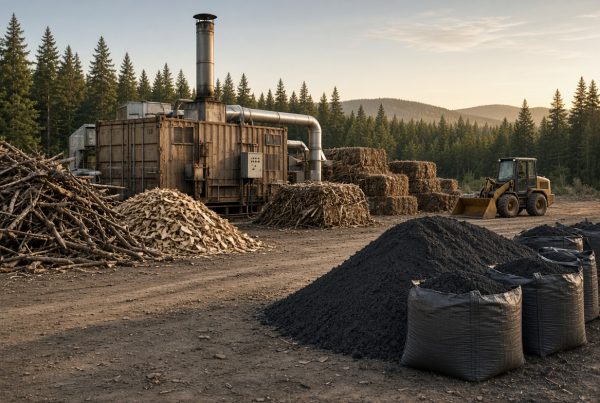

Biochar Insurance from Conservation United: Safeguarding U.S. Biochar Organizations’ Mission in 2026
Biochar organizations play a vital role in driving sustainable innovation. These groups focus on promoting the responsible production and application of biochar—a stable form of charcoal created through biomass pyrolysis—while advancing research, building markets, and educating stakeholders on its powerful benefits for soil health, long-term carbon sequestration, and broader environmental gains.
Yet rapid industry growth brings new risks. As U.S. biochar initiatives scale in 2026, specialized protection has become essential. Conservation United’s Biochar Insurance delivers tailored coverage that lets organizations concentrate on their core work: expanding awareness, supporting groundbreaking research, and growing viable markets for this climate-positive technology.
Why Biochar Organizations Need Dedicated Insurance in 2026
Biochar locks carbon away for centuries, improves water retention and nutrient availability in soil, boosts crop yields, and supports regenerative practices from wildfire mitigation to contaminated-land remediation. Demand is surging, with the U.S. biochar fertilizer market projected to reach $3.3 billion by 2035.
New milestones mark 2026 as a pivotal year:
-
The U.S. Biochar Initiative (USBI) rolled out its first unified lab-testing protocol in late 2025, with three additional standards arriving this year.
-
Major facilities are coming online, including county-led plants converting wildfire slash and commercial operations turning rice hulls into high-value products.
-
Corporate partnerships and carbon-credit programs continue expanding.
These advances create exciting opportunities—but also expose producers and organizations to production inconsistencies, regulatory compliance hurdles, liability concerns, and market volatility that standard policies simply don’t address.
Conservation United’s Biochar Insurance: Coverage Built for the Biochar Sector
Since 2015, Conservation United has specialized in conservation and restoration insurance. Their Biochar Insurance product is custom-designed for U.S.-based producers, cooperatives, nonprofits, and research groups.
Key coverages include:
-
Production Risk Protection — Shields against incomplete pyrolysis, biomass contamination, equipment breakdowns, weather delays, and feedstock disruptions that can ruin batches or delay carbon-credit verification.
-
Liability and Environmental Safeguards — Covers third-party claims related to application effects on neighboring lands, ecosystems, or water resources—even when biochar is used responsibly.
-
Scaling and Facility Support — Addresses construction delays, project-specific risks in new plants, and market volatility affecting carbon-credit delivery or industrial applications like asphalt or biosolids processing.
-
Flexible Add-ons — Equipment insurance, workers’ compensation integration, and customizable options that scale from small pilot projects to multi-ton commercial facilities.
Unlike generic policies, this coverage is built around the unique pyrolysis process, carbon-market realities, and sustainability goals that define biochar work.
Empowering Biochar Organizations to Scale Impact Confidently
For organizations dedicated to awareness campaigns, research grants, and market development, Biochar Insurance removes financial barriers that slow progress. It:
-
Attracts investors and grant funders by demonstrating proactive risk management.
-
Enables bolder experimentation with new feedstocks or applications (e.g., vineyard soil enhancement or wildfire-prone forest restoration).
-
Supports job creation in rural communities through protected expansion of production facilities.
-
Aligns perfectly with federal incentives, USDA conservation programs, and emerging carbon-removal markets.
Whether your group runs field trials, advocates for policy, or connects farmers with suppliers, this insurance ensures one bad batch or regulatory shift doesn’t derail years of mission-driven work.
Real-World Momentum: Insurance Enabling 2026 Success
U.S. projects are already proving the model. County-operated facilities in Colorado transform wildfire mitigation residues into valuable biochar. Arkansas plants convert agricultural byproducts into circular-economy solutions. Large-scale joint ventures target industrial decarbonization while sequestering millions of tons of carbon. Organizations insured through Conservation United can pursue these opportunities without the fear of uncovered losses from standards compliance or operational hiccups.
Secure Your Organization’s Future Today
As 2026 standards tighten and markets expand, proactive protection is no longer optional—it’s strategic. Conservation United’s team delivers fast, personalized quotes tailored to your exact scale, location, and activities.
Ready to protect your biochar initiatives while advancing soil health and carbon sequestration? Visit Conservation United or request a quote today. Let your organization focus on what it does best: building a more sustainable future.