Surety Bonds for Trail Construction Projects: How Conservation United Delivers Reliability and Environmental Accountability
Trail construction projects sit at the intersection of public access, ecological stewardship, and complex logistics. Whether building a multi-use greenway through a municipal corridor, restoring a wilderness path in a national forest, or installing ADA-compliant boardwalks in sensitive habitat, these jobs face terrain challenges, permitting delays, weather extremes, and strict environmental rules. Surety bonds from Conservation United provide the financial and contractual backbone that keeps projects moving while protecting taxpayers, grantors, subcontractors, and the land itself.
Understanding Surety Bonds in the Trail Context
A surety bond is a three-party agreement. The contractor (principal) purchases the bond. The project owner or funding agency (obligee) receives the guarantee. Conservation United, acting through its surety partners, stands behind the contractor’s obligations. Unlike insurance that pays for losses, a surety bond guarantees performance and payment. If the contractor defaults, the surety steps in to complete the work or compensate the obligee, then seeks recovery from the contractor. This structure frees working capital that would otherwise be locked in letters of credit and gives public and private owners confidence that trails will be finished to specification.
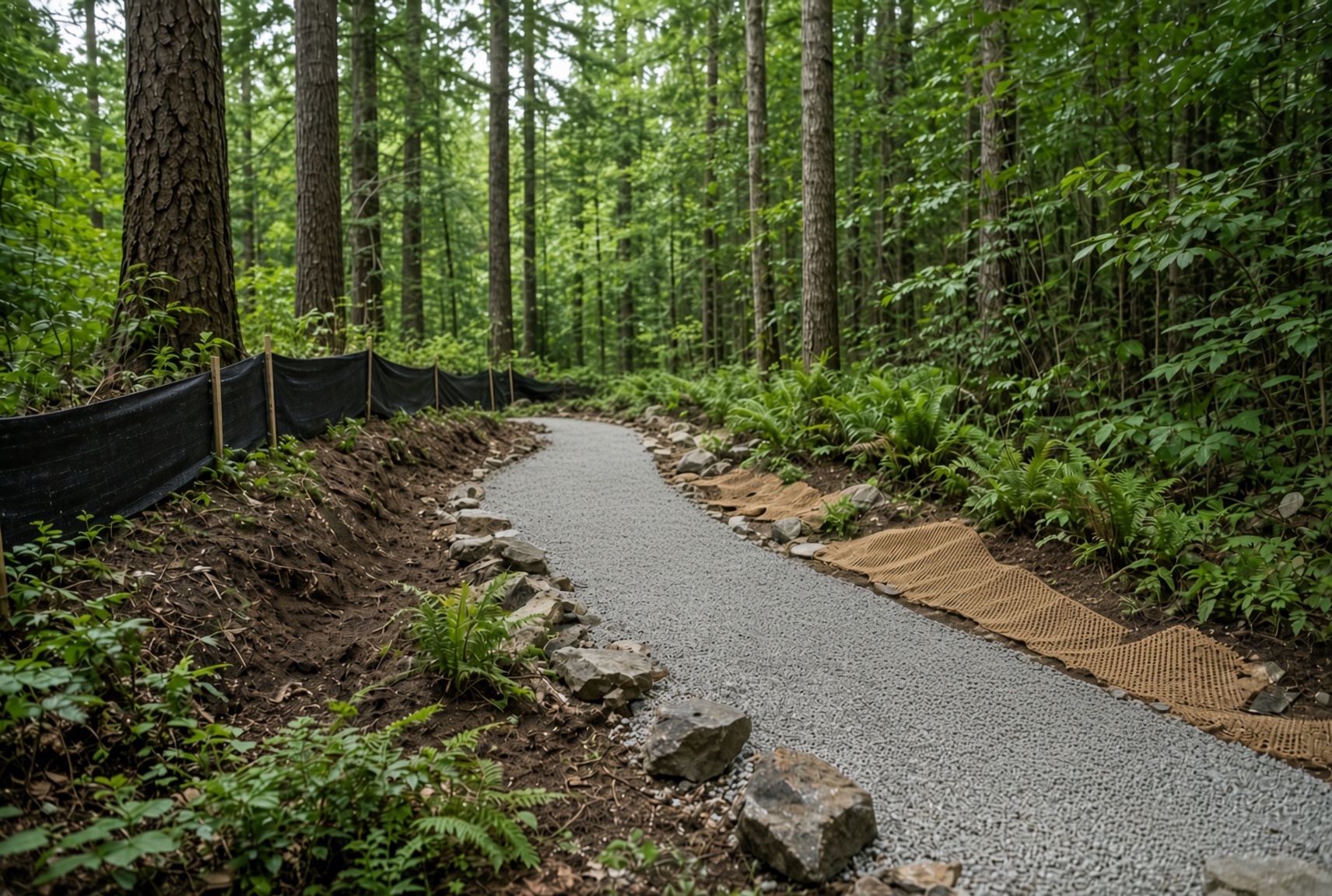
Trail work differs from standard building construction. Projects often occur on protected lands, require low-impact methods, native plant restoration, erosion control, and compliance with NEPA, Section 106, or state environmental rules. Conservation United designs bonds with these realities in mind, incorporating conservation-minded provisions where appropriate.
Core Bond Types Offered by Conservation United
Conservation United supplies a practical suite tailored to every stage of trail development:
-
Bid Bonds – Demonstrate that a contractor’s proposal is serious and that the firm can furnish performance and payment bonds if awarded the contract. Essential for competitive public solicitations and grant-funded work such as Recreational Trails Program projects.
-
Performance Bonds – Guarantee that the trail will be built according to plans, schedules, quality standards, and environmental requirements (erosion control, wildlife corridors, accessible design, habitat restoration). Coverage typically reaches 100% of contract value.
-
Payment Bonds – Protect subcontractors, laborers, and suppliers of sustainable materials so everyone is paid. This reduces the risk of liens that can halt progress on remote or multi-party jobs.
-
Maintenance or Warranty Bonds – Extend protection after substantial completion (commonly 1–5 years) for issues such as settling, surface wear, drainage failure, or material problems common on high-traffic or weather-exposed trails.
These instruments can include riders that reinforce environmental compliance and low-impact construction techniques.
Why These Bonds Matter for 2026 Trail Projects
Demand for resilient, accessible trails continues to rise as communities invest in outdoor recreation, climate adaptation, and equitable access. Bonded contractors often enjoy stronger pre-qualification, higher success rates on public bids, and easier access to federal, state, and municipal funding. For project owners, bonds replace capital-intensive alternatives and protect public or donor dollars. For smaller crews and nonprofit trail groups, the right bonding partner can open larger contracts without personal financial overexposure.
Premiums commonly range from roughly 0.5% to 3% of the bond amount, depending on the contractor’s financial strength, experience, and project complexity—making the protection far more accessible than many assume. Conservation United’s nationwide reach (serving all 50 states from its Phoenix base) and focus on conservation clients support fast underwriting, often measured in days rather than weeks for qualified applicants.
Distinct Advantages of Working with Conservation United
Conservation United specializes in the environmental and outdoor recreation sectors. That specialization produces practical benefits:
-
Bonds written with an understanding of trail-specific risks and grant conditions.
-
Competitive pricing through relationships with multiple surety markets.
-
Streamlined applications that emphasize operational capacity and project history.
-
Options that reduce or eliminate traditional personal indemnity requirements for certain trail contractors and nonprofit entities, lowering barriers for smaller organizations.
-
Alignment with sustainability goals so bonds reinforce, rather than conflict with, ecological performance standards.
The result is protection that supports both project delivery and long-term trail durability.
Getting Started
Most contractors begin with a simple application that outlines business financials, experience, and the specific trail project. Underwriting reviews credit, capacity, and track record. Once approved, the bond is issued for presentation to the project owner. Early engagement—especially before bid deadlines—helps avoid last-minute capacity issues.
Conclusion
Surety bonds from Conservation United turn contractual promises into enforceable guarantees for trail construction. They help contractors win work, owners protect investments, and communities receive finished trails that meet environmental and accessibility standards. As trail networks expand to meet recreation and resilience needs, pairing specialized bonding with specialized expertise remains one of the most effective ways to keep projects on track and landscapes protected.
For project-specific guidance or a quote, contact Conservation United us today!


