Protecting Innovation in Sustainability: A Deep Dive into Biochar Insurance from Conservation United
In an era where climate change demands bold solutions, biochar stands out as a versatile ally in the fight for a healthier planet. Produced through the pyrolysis of organic materials like agricultural waste or forestry residues, biochar not only enriches soil but also locks away carbon for hundreds of years, making it a cornerstone of regenerative agriculture. But as more farmers and organizations embrace this technology, new challenges arise— from production hiccups to regulatory hurdles. That’s where specialized insurance comes in. Enter Biochar Insurance from Conservation United, a game-changer designed to shield innovators from risks while amplifying the environmental impact of biochar initiatives.
This blog explores the ins and outs of Biochar Insurance, highlighting its role in empowering biochar organizations. We’ll delve into its unique features, real-world applications, and why it’s essential for scaling sustainable practices in 2025 and beyond. Whether you’re a smallholder experimenting with soil amendments or a large-scale operator tapping into carbon markets, understanding this coverage could be the key to unlocking biochar’s full potential.
Understanding Biochar and Its Transformative Power
Biochar isn’t just charcoal—it’s a scientifically engineered material created by heating biomass in low-oxygen environments. This process yields a stable, porous substance that, when added to soil, improves water retention, nutrient availability, and microbial activity. Beyond agriculture, biochar sequesters carbon dioxide equivalent to billions of tons annually if scaled globally, contributing to net-zero goals. It also plays a pivotal role in wildfire prevention by converting high-risk forest thinnings into valuable resources, reducing fuel loads in vulnerable areas.
What sets biochar apart is its longevity—carbon stored in biochar can remain stable for centuries, far outlasting other nature-based solutions like tree planting. In economic terms, it opens doors to carbon credit markets, where producers can monetize sequestration efforts through incentives like the U.S. 45Q tax credit or emerging biochar-specific programs. However, realizing these benefits requires overcoming barriers, including financial uncertainties that could derail projects.
The Vital Work of Biochar Organizations
Biochar organizations are at the forefront of this movement, bridging the gap between research and real-world application. These groups—ranging from non-profits to industry alliances—advocate for policy changes, fund studies on biochar’s efficacy in diverse soils, and build supply chains for widespread adoption. They emphasize biochar’s multifaceted advantages: enhancing crop resilience in drought-prone regions, remediating contaminated lands, and even filtering water in urban settings.
Yet, these organizations often operate in uncharted territory. Scaling production involves investments in pyrolysis equipment, biomass sourcing, and quality testing, all while navigating volatile carbon markets and environmental regulations. Without proper safeguards, a single setback—like equipment failure or a liability claim—could stall progress. This is precisely why tailored insurance solutions are emerging as a critical tool for sustainability.
Biochar Insurance: Conservation United’s Tailored Solution
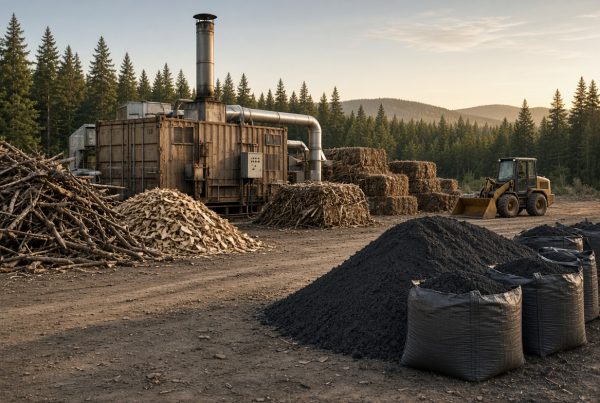
Conservation United, a brokerage dedicated to conservation and restoration sectors since 2015, has pioneered Biochar Insurance to address these gaps. Unlike off-the-shelf policies, this coverage is crafted for the nuances of biochar production and deployment, offering a robust safety net that encourages experimentation and growth.
Key Coverage Areas
-
Production Risks: Protection against operational disruptions, such as machinery breakdowns during pyrolysis or biomass contamination that compromises biochar quality. This ensures continuity in output, crucial for meeting carbon credit commitments.
-
Liability Safeguards: Coverage for third-party claims, including potential disputes over environmental effects on nearby properties or ecosystems. Even though biochar is eco-friendly, unforeseen allegations can arise, and this insurance provides defense.
-
Regulatory and Market Protections: Shields against challenges in carbon markets, like non-delivery of expected credits due to verification issues, with options for cash or credit payouts in claims.
This insurance is highly customizable, scaling from backyard trials to industrial facilities. For instance, a rural cooperative using mobile pyrolysis units to process forest residues could insure against weather-related delays or equipment theft, while aligning with wildfire mitigation grants.
Unmatched Benefits for Biochar Pioneers
By mitigating risks, Biochar Insurance lowers barriers for entry, allowing more resources to flow into innovation. Imagine a farmer in the Midwest integrating biochar into no-till systems to boost yields by up to 20% while sequestering carbon—insurance ensures they can invest without fear of total loss from a bad batch. On a larger scale, it attracts investors to biochar carbon removal (BCR) projects, where demand is surging amid corporate net-zero pledges.
Moreover, it fosters job creation in underserved areas by enabling safe scaling of operations, such as converting agricultural waste into biochar for export to global markets. In a unique twist, this coverage can integrate with complementary policies like workers’ compensation, creating a holistic risk management strategy that supports long-term sustainability goals.
Real-World Applications and Success Stories
Consider a hypothetical yet realistic scenario: A biochar organization in California repurposes wildfire-prone slash piles into premium biochar for vineyards. With Conservation United’s insurance, they’re protected from production variances caused by variable biomass quality, allowing them to secure carbon credits confidently. Another example involves Midwest farmers combating soil erosion; insurance covers liabilities from experimental applications, accelerating adoption through USDA-backed pilots.
These stories underscore how insurance isn’t just protection—it’s an enabler. As biochar markets evolve, with projections estimating multi-billion-dollar growth by 2030, such coverage will be indispensable for de-risking investments and ensuring verifiable, high-quality outputs.
Getting Started with Biochar Insurance
Securing coverage is straightforward. Contact Conservation United for a personalized quote, detailing your operation’s scale, location, and specific risks. Their experts, versed in conservation nuances, will tailor a policy that aligns with your goals—whether enhancing soil health on a family farm or launching a community biochar hub. With options for add-ons like equipment insurance, it’s a flexible tool for any biochar endeavor.
Conclusion: Securing a Carbon-Negative Future
Biochar Insurance from Conservation United represents more than financial protection—it’s a commitment to a resilient, sustainable world. By addressing the unique risks of biochar production, it empowers organizations to innovate without hesitation, driving forward carbon sequestration, soil revitalization, and economic opportunities. As we face escalating climate challenges in 2025, tools like this are vital for turning potential into progress. If you’re involved in biochar, explore this insurance today and join the movement toward a greener tomorrow.