New Year Trail Resolutions: Bolstering 2026 Conservation Efforts with Conservation United’s Specialized Insurance
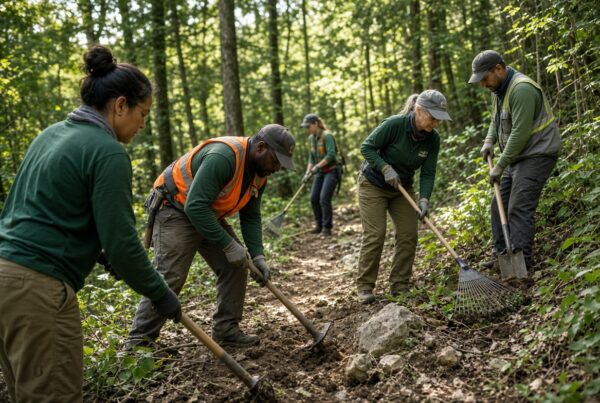
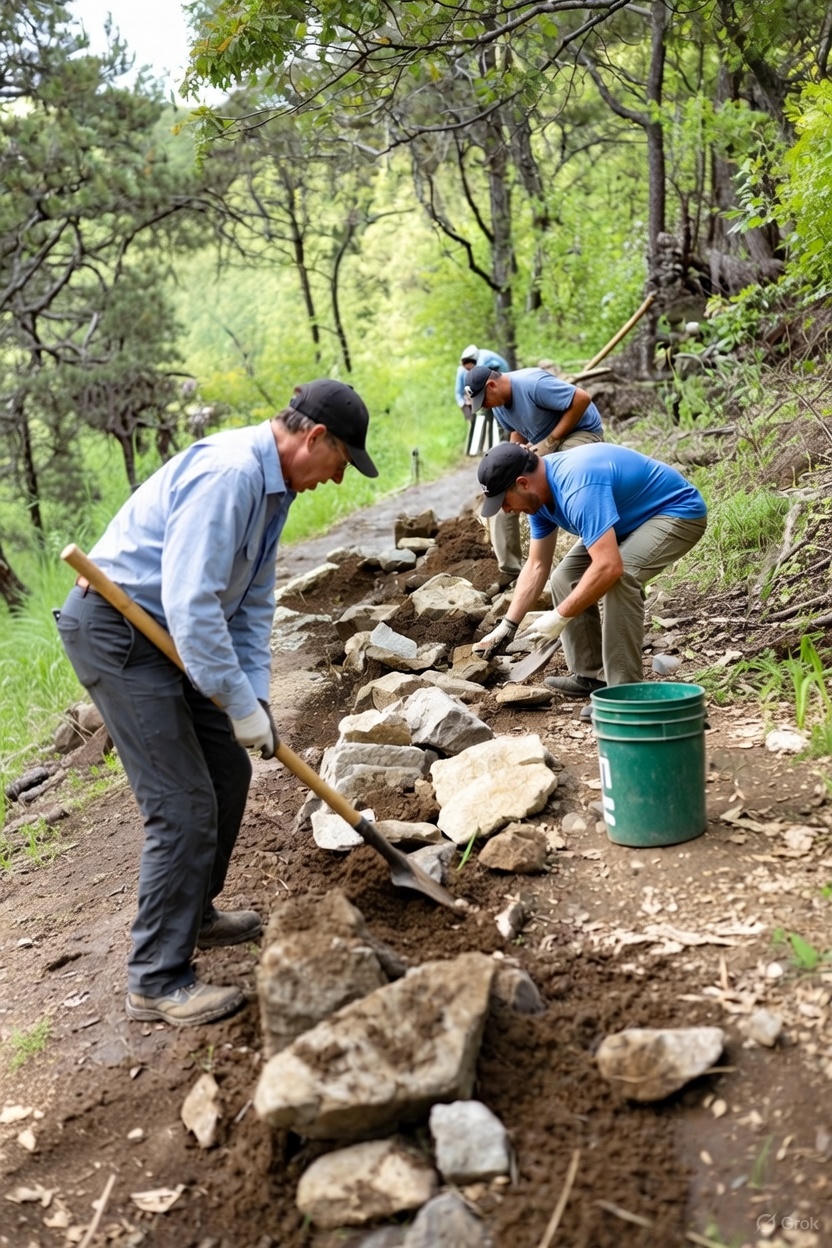
As 2026 kicks off, trail stewards and conservation groups are setting ambitious goals amid a backdrop of federal budget constraints and environmental pressures. The U.S. Forest Service’s recent internal report highlights a 22% drop in maintained trail miles due to staffing cuts, pushing nonprofits to fill critical gaps in upkeep and expansion. With construction insurance markets facing tightened underwriting and higher premiums for high-risk projects, Conservation United’s Trail Maintenance & Construction Insurance emerges as a vital tool, offering tailored, affordable protection to empower volunteer-led initiatives and ensure sustainable outdoor access. Drawing from the USDA’s FY2026 budget proposals emphasizing collaborative restoration, this coverage helps transform New Year’s pledges into resilient realities, safeguarding against emerging climate risks like intensified wildfires and erosion.
Navigating 2026 Challenges: Evolving Risks for Trail Projects
Entering 2026, nonprofits confront a hardening insurance landscape, with many facing nonrenewal notices and stricter exclusions amid rising litigation and nuclear verdicts in the construction sector. Meanwhile, Forest Service trails continue the need for community participation, as detailed in reports on workforce reductions. Conservation United addresses these with flexible policies from top-rated carriers, enabling groups to tackle deferred maintenance without financial strain in this volatile market.
Their programs, refined through collaborations with trail associations, incorporate tech-driven risk assessments to align with 2026’s focus on predictive maintenance and adaptive designs.
Essential Coverages Tailored for 2026 Trail Ambitions
Conservation United’s offerings are updated for the year’s trends, providing layered protection:
-
General Liability: Shields against claims from increased public use, crucial as volunteer numbers rise to offset federal shortfalls.
-
Professional Liability: Covers design oversights in restoration projects, resonating with USDA’s emphasis on vegetation management and habitat recovery.
-
Workers’ Compensation and Volunteer Coverage: Protects teams amid labor shortages, ensuring safe operations during high-demand builds.
-
Equipment and Inland Marine: Insures gear for tech-integrated work, like sensors for monitoring erosion, preventing disruptions from theft or damage.
-
Environmental and Pollution Liability: Newly expanded to address emerging risks such as phthalates and climate-related contaminants, vital for long-term site stewardship.
The Nationwide Trail Program bundles these, with add-ons like the OHV Exclusive for rugged terrains, and surety bonds for grant-funded endeavors.
Strategic Advantages: Empowering 2026 Resolutions
In a year marked by flat construction spending and persistent shortages, Conservation United offers key benefits:
-
Rapid Deployment: Fast quotes facilitate quick starts on winter-to-spring transitions, maximizing resolution momentum.
-
Cost-Saving Resources: Free consultations on risk mitigation, including AI for project planning, help curb premiums in a market with rising deductibles.
-
Community Resilience: Enables smaller organizations to thrive despite broader cuts, contributing to GDP gains through enhanced recreation and eco-tourism.
Ideal for Forward-Thinking Trail Guardians in 2026
This insurance suits:
-
Groups resolving to restore neglected Forest Service paths.
-
Alliances adopting USDA-aligned collaborative strategies.
-
OHV enthusiasts planning durable route upgrades.
-
Trusts integrating emerging environmental protections.
Secure Your 2026 Vision Today
Head to conservationinsurance.com for a free assessment—mention your New Year’s goals for personalized guidance. As federal challenges mount, Conservation United turns aspirations into protected progress.