
In the heart of our nation’s cherished green spaces, Friends Groups stand as unsung heroes, channeling passion into actionable change. These dedicated non-profit organizations go beyond mere advocacy—they roll up their sleeves for hands-on volunteer services, spearhead innovative fundraising campaigns to restore ecosystems, collaborate on resource management strategies like wildlife monitoring and invasive species control, and amplify critical environmental issues through community outreach and media engagement. But with great impact comes inherent risks: a volunteer injury during a habitat cleanup, legal hurdles from event mishaps, or financial strain from unexpected property damage. That’s where Conservation United steps in with their specialized Friends Group Insurance, a game-changing suite of coverages designed exclusively for conservation-minded collectives. In this post, we’ll dive into how this insurance not only shields these groups but also amplifies their ability to drive long-term park preservation in an era of escalating climate challenges.
The Vital Role of Friends Groups in Modern Conservation
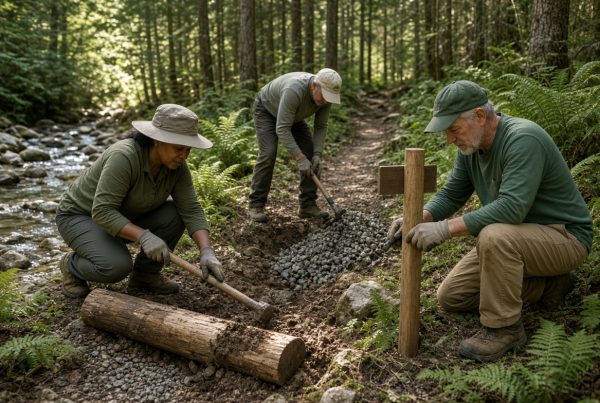
Friends Groups are the backbone of park ecosystems, often partnering with entities like the Coalition of Oregon Land Trusts or local wildlife refuges to execute projects that government resources alone can’t handle. Imagine organizing a summer trail restoration event where volunteers clear overgrowth to prevent erosion, or launching a crowdfunding drive that funds new interpretive signage to educate visitors on biodiversity threats. These efforts preserve natural habitats while fostering community bonds. Yet, without proper protection, a single incident—like a slip on uneven terrain during a group hike—could derail months of planning and drain limited budgets. Conservation United recognizes this, offering insurance that aligns with the dynamic, field-based nature of these operations.
Tailored Coverage: What Makes Conservation United’s Friends Group Insurance Stand Out
Drawing from their deep roots in the conservation sector, Conservation United crafts policies that address the unique exposures of Friends Groups. Unlike generic non-profit insurance, their offerings incorporate insights from partnerships with experienced, longstanding organizations, ensuring relevance and affordability. Here’s a breakdown of key coverages:
-
General Liability and Pollution Liability: Essential for on-the-ground activities, this protects against claims of bodily injury, property damage, or environmental incidents, such as accidental pollution during a restoration project.
-
Volunteer Accident Insurance: Volunteers aren’t covered under standard workers’ compensation, so this steps in with medical expense reimbursements up to $100,000 for injuries like fractures or heat exhaustion during fieldwork. Unique perks include coverage for total paralysis or dismemberment, starting at just $300 annually, making it accessible for smaller groups.
-
Directors and Officers (D&O) Liability: Safeguards board members and leaders from personal lawsuits over decisions, including employment practices like volunteer disputes. This is crucial for Friends Groups relying on volunteer boards, as it covers defense costs and settlements, encouraging bold initiatives without fear of reprisal.
-
Additional Specialized Layers: For comprehensive protection, add property insurance for stored equipment like tools and trailers, commercial auto for transporting supplies to remote sites, and umbrella policies for high-limit claims. Standout features include prescribed fire coverage for controlled burns—a rarity in the industry—and financial assurance for mitigation banking, supporting advanced preservation tactics.
What sets Conservation United apart is their commitment to risk management beyond policies: they provide free tools like safety checklists for volunteer events and even grants to partner organizations, helping Friends Groups reduce premiums through proactive measures. In 2025, amid rising extreme weather events, this insurance has enabled groups to expand ambitious projects, such as adaptive resource management in flood-prone parks, without compromising safety.
Real-World Wins: Boosting Fundraising and Preservation Efforts
Consider a hypothetical Friends Group in a coastal state park: With Conservation United’s coverage, they confidently hosted a marine debris cleanup fundraiser, raising $15,000 for coral reef protection while knowing volunteer accidents were covered. This peace of mind translates to tangible growth—groups report up to 25% more volunteer participation when insurance is in place, directly enhancing resource preservation outcomes like habitat connectivity. Publicizing issues also becomes safer; insured groups can boldly advocate on social media or at public forums without worrying about defamation risks under D&O.
Moreover, Conservation United’s eco-focused brokerage model ensures premiums support sustainable practices, with A-rated carriers that prioritize green initiatives.
Why Choose Conservation United for Your Friends Group?
In a world where parks face unprecedented pressures from development and climate shifts, Friends Group Insurance isn’t just a safeguard—it’s an enabler. It allows these vital organizations to focus on what matters: mobilizing communities for lasting change. Whether you’re a fledgling group organizing your first tree-planting drive or an established one tackling large-scale preservation, Conservation United offers no-obligation consultations to customize a plan that fits your mission and budget.
Ready to protect your park’s future? Contact Conservation United today and join the ranks of empowered conservation leaders. Together, we can ensure our green spaces thrive for generations to come.