Prescribed Fire Insurance from Conservation United: The Missing Link That Lets Land Managers Burn with Confidence in 2026
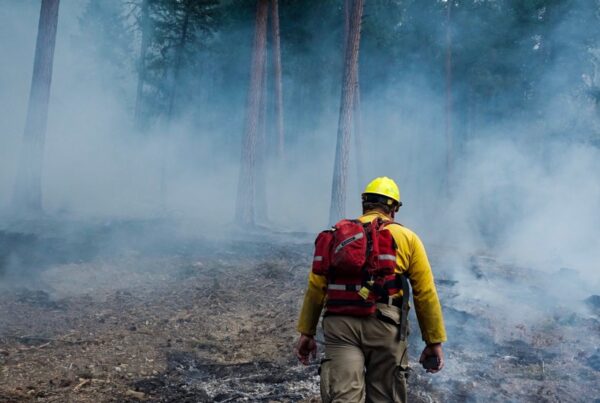
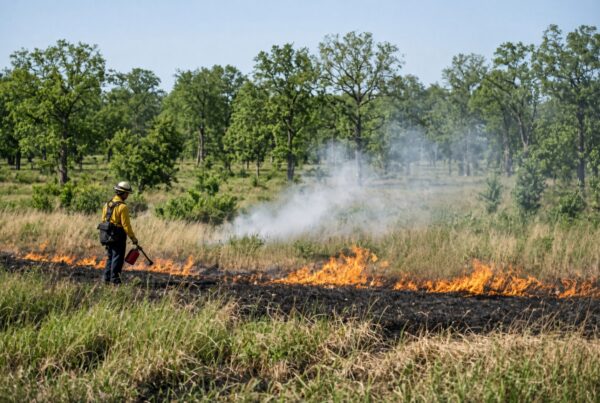
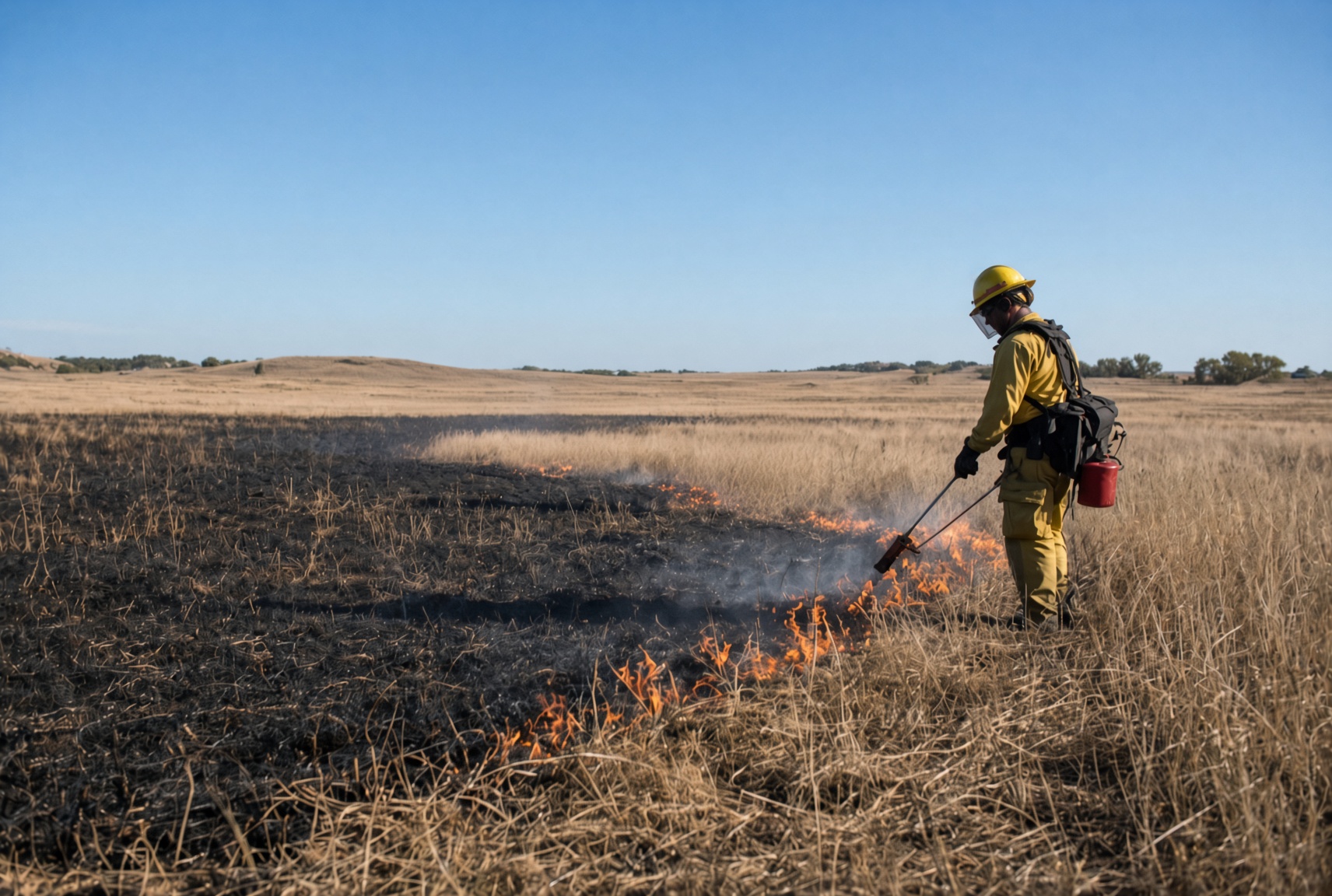
Prescribed fire remains one of the highest-return tools available for reducing catastrophic wildfire risk, restoring native ecosystems, and improving forage and wildlife habitat. Recent research quantifies the payoff clearly: every dollar invested in fuel treatments (including prescribed burns and thinning) prevents roughly $3.75 in wildfire damages. Across nearly 300 Western wildfires from 2017–2023, those treatments prevented an estimated $2.8 billion in losses—including avoided structure damage, reduced smoke-related health impacts, and lower carbon emissions. Low-severity fire can cut the probability of subsequent very-high-severity wildfire by more than 90% in the first year in some forest types, with protective effects lasting a decade or longer.
Yet many private landowners, ranchers, land trusts, prescribed burn associations, and contractors still hesitate. The barrier is rarely technical skill or ecological knowledge. It is liability. Standard farm, ranch, or commercial general liability policies frequently contain “hostile fire” exclusions. When a fire is intentionally set—even under a carefully written prescription, with permits, weather monitoring, and trained personnel—those exclusions can leave the burner or landowner exposed for property damage, bodily injury, smoke claims, or suppression costs if anything goes wrong.
Conservation United’s Nationwide Prescribed Fire Liability Insurance Program was built specifically to close that gap. As a specialty brokerage focused exclusively on the conservation and land-stewardship sector since 2015, it partners with A-rated carriers to deliver coverage without the hostile-fire exclusions that undermine ordinary policies.
What the Coverage Actually Includes
The program is modular and scales to the operation:
-
General Liability — Third-party bodily injury and property damage arising from prescribed burn operations, including legal defense.
-
Professional Liability (Errors & Omissions) — Claims related to planning, prescription writing, weather judgment, or execution—critical for burn bosses, consultants, and contractors.
-
Pollution Liability — Smoke drift, ash, or runoff impacts on neighbors or air/water quality.
-
Additional options — Workers’ compensation for crews and volunteers, commercial auto for equipment transport, tools and equipment (drip torches, PPE, ATVs, drones/UAS), and surety bonds for larger or contracted projects.
-
Limits — Often available up to $10 million, with umbrella/excess options to meet contractual requirements (for example, timber companies or agency partners).
-
Master/group policies — Available for prescribed fire councils and associations, pooling risk and frequently lowering per-member cost.
-
Fire suppression cost reimbursement — Included in many plans.
Annual policies are common for frequent practitioners; per-burn options exist for occasional users. Premiums are underwritten on the lower-risk profile of planned, prescription-driven burns rather than treated as escaped wildfires. Quotes are typically available the same day, and the firm maintains a “2 Hours or Less” human-response commitment for certificates, changes, and claims questions.
Why This Matters More in 2026
Federal and state cost-share programs (NRCS EQIP, CSP, and expanding state fuel-management incentives) increasingly favor applicants who can demonstrate risk management, including liability coverage. Documented insurance can accelerate grant approvals and improve lender confidence when financing pasture improvements or forest restoration that include fire. In states with certified prescribed burn manager programs (Texas, California, and others), having the right insurance also interacts with statutory limited-liability protections for landowners who use qualified, insured burners.
The actual frequency of damaging escapes from properly planned prescribed burns is extremely low—U.S. Forest Service data from one region showed success rates above 99.8% across thousands of burns, with negligible third-party claims. Specialized insurance does not eliminate the need for rigorous planning, training (S-190/S-290 or state equivalents), and weather discipline. It removes the catastrophic financial downside that keeps many capable landowners and contractors on the sidelines.
Who Benefits Most
-
Private timberland and ranch owners managing fuel loads or improving forage.
-
Conservation nonprofits, land trusts, and habitat organizations.
-
Prescribed fire contractors, consultants, and burn bosses.
-
Prescribed burn associations and councils seeking group coverage.
-
Universities, municipalities, and agencies partnering with private operators.
-
Occasional burners who need short-term protection rather than a full annual policy.
Practical Next Steps
-
Inventory your current policies and ask specifically whether prescribed fire is covered or excluded. Get the answer in writing.
-
Gather basic underwriting details: experience level and certifications, typical acreage and frequency, vegetation types, locations, and whether you work alone, with crews, or through associations.
-
Request a quote from Conservation United. Same-day turnaround is standard for complete submissions. Contact options include the main lines listed on conservationinsurance.com (commonly referenced as 480-604-2040 or 1-855-570-2797) or the online request form.
-
Review the policy language carefully—especially the absence of hostile-fire exclusions and the scope of pollution and professional liability.