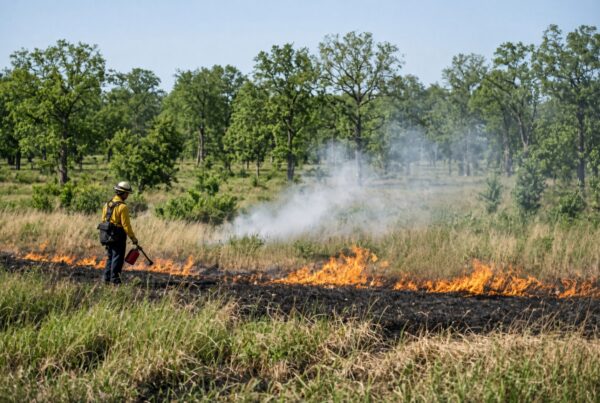
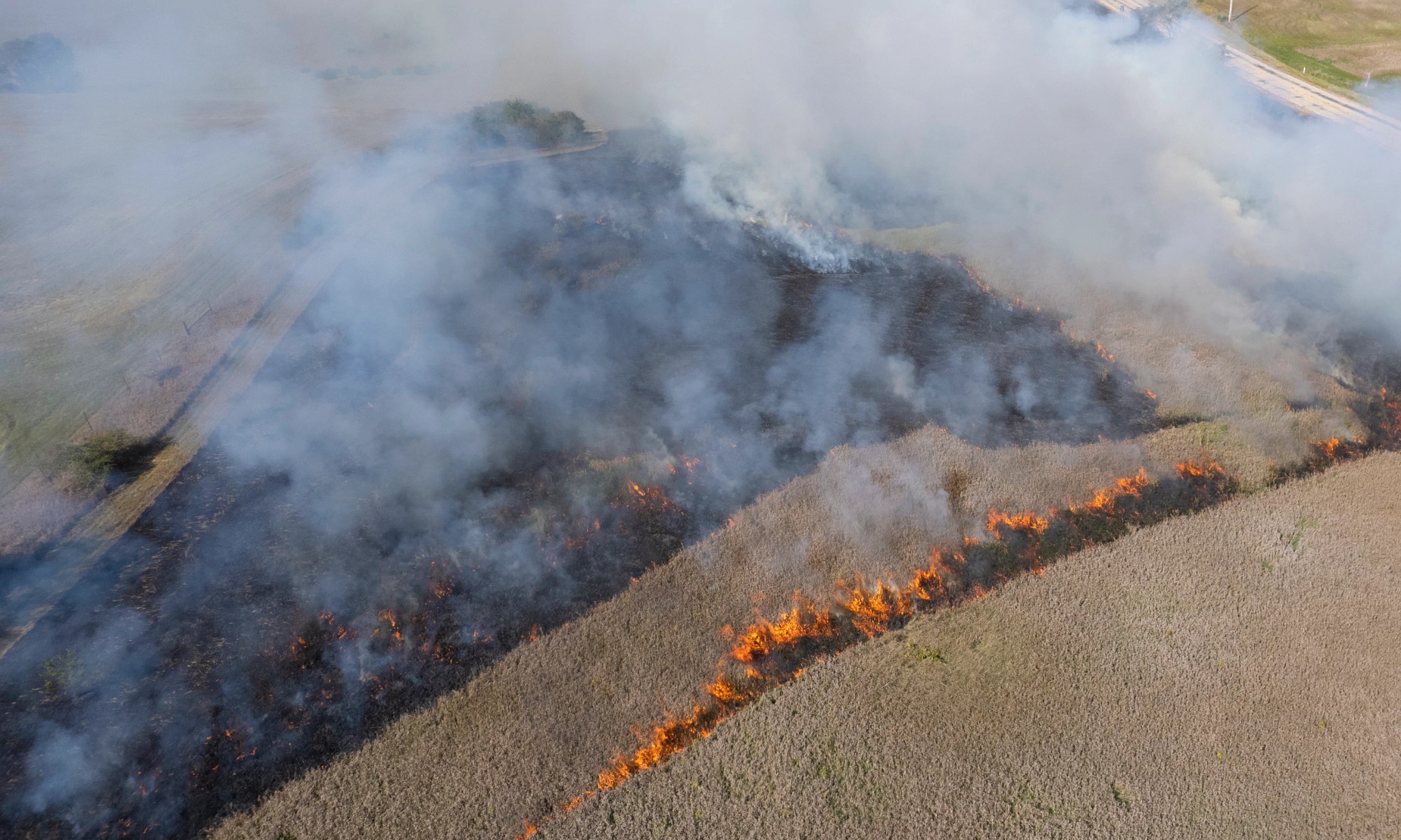
As wildfires continue to dominate headlines in 2025, with early-season blazes scorching vast areas in California and Oregon, the need for proactive land management has never been more urgent. The year has already seen significant fire activity, with multiple incidents exceeding 10,000 acres amid rugged terrain and persistent drought. Prescribed fires, or controlled burns, emerge as a proven strategy to mitigate these risks, reducing wildfire severity and smoke emissions substantially, according to recent studies. Yet, the potential liabilities involved demand robust protection. Enter Conservation United’s specialized prescribed fire insurance—a tailored solution empowering land stewards to implement these vital practices safely amid escalating threats.
The Rising Role of Prescribed Fire in 2025 Wildfire Mitigation
This year alone, global natural disaster losses hit $131 billion in the first half, largely driven by U.S. wildfires, including devastating events around Los Angeles with insured losses potentially reaching $20 billion. Climate models predict a longer fire season and at least a 30% increase in lightning-ignited wildfire areas by 2060, underscoring the urgency of fuel reduction techniques like prescribed burns. These controlled fires not only clear hazardous vegetation but also support habitat regeneration and carbon sequestration, aligning with federal initiatives for commonsense wildfire prevention.
However, without adequate insurance, practitioners face barriers like pollution claims or property damage suits. Conservation United bridges this gap with coverage that extends to emerging trends, such as integrating prescribed burns with trail maintenance and off-highway vehicle (OHV) land management—areas where they’ve recently expanded offerings in 2025.
Core Features of Conservation United’s Prescribed Fire Program
Conservation United’s program, backed by an AM Best A-rated carrier, provides nationwide liability up to $10 million, customized for diverse operations. Key elements include:
-
Broad Liability Options: General, professional, and pollution liability for burn-related incidents, including smoke impacts or unintended spreads.
-
Expanded Activity Coverage: Beyond burns, it protects firebreak construction, invasive species removal, GIS mapping, and even research collaborations with universities or agencies.
-
Add-Ons for Comprehensive Protection: Workers’ compensation for crews, commercial auto for site transport, tools and equipment safeguards for gear like PPE and drones, plus surety bonds for contracted projects.
In 2025, Conservation United has innovated further by launching programs for trail builders and OHV organizations, often incorporating prescribed fire elements for fuel management along paths. This holistic approach differentiates it from generic policies, which frequently exclude high-risk activities, ensuring seamless integration for multifaceted conservation efforts.
Eligibility spans individuals, nonprofits, municipalities, and for-profits, with same-day quotes available to accommodate the fast-paced demands of fire seasons.
Benefits Amid 2025’s Evolving Fire Landscape
With government investments in technology and mitigation rising this year, insured prescribed burns enable practitioners to leverage tools like UAS (unmanned aerial systems) for safer planning. Benefits include:
-
Risk Reduction and Scalability: Minimize financial exposure while expanding burns to counter energy demands exacerbating fire risks.
-
Rapid Support: Their “2 Hours or Less” response for policy tweaks or certificates aligns with urgent permit needs during narrow weather windows.
-
Cost Savings and Compliance: Tailored plans help navigate new regulations, like California’s wildfire resilience measures, potentially lowering premiums through bundled coverages.
For OHV groups or trail alliances, this insurance supports integrated strategies where prescribed fires prevent overgrowth, enhancing recreational safety and ecological balance.
Securing Coverage in a High-Risk Year
To get started, reach out via Conservation United’s website or call 480-604-2040 for expert guidance. Their team, focused solely on conservation risks, crafts policies that evolve with trends like increased UAS use in mitigation.
Prescribed fire insurance from Conservation United isn’t just coverage—it’s a strategic asset for resilient landscapes. Embrace it to turn 2025’s challenges into opportunities for sustainable stewardship.